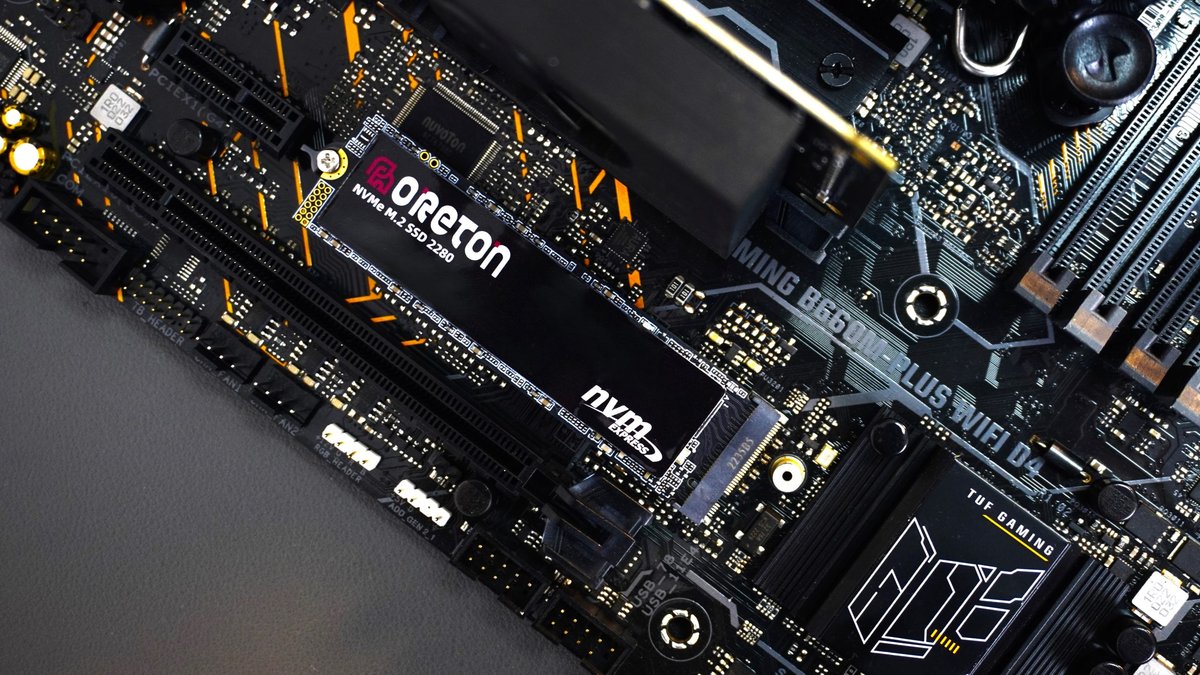
When you're building a new PC or upgrading an old one, the choice of Solid State Drive (SSD) capacity might seem like a simple storage decision. Pick one that fits your budget and files, right? Not quite. The reality is that your SSD's capacity isn't just about how many games or photos it can hold. It's a foundational choice that profoundly impacts your system's Performance, Lifespan & Capacity in ways most people overlook.
An undersized SSD, especially for demanding tasks, won't just run out of space; it can actually cripple your system's speed, shorten the drive's useful life, and create a bottleneck that undermines your entire computing experience. Think of it like a high-performance sports car running on a tiny gas tank – it might be fast, but it’s constantly stressed, always running on fumes, and won't go the distance.
At a Glance: Your SSD Capacity Checklist
- Bigger is (Usually) Better for Speed: Larger SSDs often have more internal channels and cache, delivering faster sustained read/write speeds, especially for large files.
- Lifespan Is Tied to Space: More free space on an SSD reduces "Write Amplification" and allows for better "Wear Leveling," significantly extending the drive's life.
- Reserve Capacity Matters: Just like in human development, having "reserve capacity" (free space) helps your SSD perform well under stress and maintain "resiliency."
- Match Your Usage: A 256GB SSD might be fine for email, but gamers and video editors need 1TB or 2TB+ to avoid performance hits and premature wear.
- Aim for 20-30% Free Space: Always leave a buffer. This isn't just a suggestion; it's critical for maintaining peak performance and ensuring the drive lives longer.
- Don't Just Look at Price: A smaller, cheaper SSD now can lead to a more expensive, frustrating upgrade cycle later. Consider total cost of ownership.
More Than Just Storage: The Hidden Impact of SSD Capacity
The digital world we inhabit demands robust storage solutions. But with SSDs, capacity isn't a linear measure of storage alone. It's intricately linked to two other critical factors: how fast your system feels (performance) and how long your drive lasts (lifespan). This connection is often misunderstood, leading users to make choices that inadvertently degrade their computing experience.
When we talk about the capacity of an SSD, we're discussing its total available space. But within that space lies a complex dance of NAND flash chips, controllers, and firmware, all working together to store and retrieve your data. The size of that dance floor — the capacity you choose — directly dictates how gracefully and efficiently that dance can occur.
Think of it like a bustling highway: a larger highway (more capacity) allows more lanes of traffic (data channels) to move simultaneously, reducing congestion and speeding up overall transit. A smaller highway, even if it has the same speed limit, will quickly become gridlocked under heavy traffic.
This concept ties directly into the idea of "reserve capacity," a principle often discussed in life-span development. Just as a human system with greater reserve capacity can better handle stress and adapt to challenges, an SSD with ample free space has more resources to manage data, reduce wear, and maintain consistent high performance. It provides the system with a buffer, allowing it to respond effectively to challenging conditions without showing impairment.
The Unseen Mechanics: How SSD Capacity Drives Performance
It might seem counterintuitive, but a larger SSD from the same product series often outperforms a smaller one. Why? It comes down to internal architecture.
More NAND Chips, More Speed Lanes
Modern SSDs typically use multiple NAND flash chips to store data. These chips are organized into channels, and the SSD controller can access multiple channels simultaneously, similar to how a RAID array works internally.
- Larger SSDs (e.g., 1TB, 2TB): These drives can pack more NAND flash chips. This allows the controller to read from and write to more chips concurrently, dramatically increasing parallel operations. More parallelism means higher sequential read/write speeds (crucial for large file transfers) and improved random read/write speeds (key for application loading and multitasking). Our ground research shows, for example, a 1TB SSD can outperform a 256GB SSD in large file writes by a notable 20–30% within the same product series.
- Smaller SSDs (e.g., 256GB, 500GB): With fewer NAND chips, these drives have fewer channels available for simultaneous operations. This can lead to bottlenecks, especially during heavy write operations, where the drive has to wait for data to be written to fewer available chips.
The Crucial Role of Cache
Another key performance differentiator is the cache, which can be either DRAM (Dynamic Random-Access Memory) or a portion of the NAND flash configured as SLC (Single-Level Cell) cache.
- Larger Cache for Stability: Larger SSDs generally include more cache, whether it's dedicated DRAM or a larger SLC buffer. This cache acts as a high-speed temporary holding area for incoming data, absorbing bursts of writes and allowing the SSD controller to organize and write data to the slower main NAND flash in a more optimized fashion. This maintains stable write speeds even during heavy operations, preventing performance drops often seen in smaller drives when their smaller caches fill up.
- Smaller Cache Limitations: Smaller SSDs, particularly those without DRAM cache (DRAM-less SSDs), rely entirely on SLC cache. If this smaller cache fills up during a large transfer or heavy usage, the drive's write speeds can plummet dramatically, sometimes to levels comparable to or even slower than a traditional Hard Disk Drive (HDD).
In essence, a larger SSD isn't just "bigger"; it's often architecturally superior, providing the necessary internal bandwidth and buffering to deliver a consistently faster and more responsive experience.
Extending Lifespan: The Hidden Benefits of Bigger SSDs
The lifespan of an SSD isn't measured in years or months in the same way an HDD's might be. Instead, it's quantified primarily by its Total Bytes Written (TBW) rating and is heavily influenced by a factor called Write Amplification (WA). Understanding these concepts is vital to appreciating why capacity plays such a crucial role in longevity.
Total Bytes Written (TBW): Your SSD's Endurance Meter
Every time data is written to an SSD, the NAND flash cells experience a microscopic amount of wear. Each cell has a finite number of program/erase (P/E) cycles it can endure before it can no longer reliably store data. TBW is the manufacturer's estimate of how much data can be written to the drive over its lifetime before these cells start to fail.
- Larger Capacity, Higher TBW: Generally, within the same product line, a larger SSD will have a significantly higher TBW rating. This isn't just because it has more space; it's because it has more cells available to distribute the wear. If you write the same amount of data daily to a 256GB SSD and a 1TB SSD, the 1TB SSD will experience far less stress per cell, effectively extending its life.
- Example: A 256GB SSD with a daily workload of 50GB of writes might reach its TBW limit in approximately three years. However, a 1TB SSD under the exact same daily 50GB write workload would experience substantially less wear per cell and could last many years longer. It's a bit like comparing how much wear a small backpack gets when carrying 10 lbs versus a large suitcase carrying the same 10 lbs – the suitcase has more volume to distribute the load, so it's less stressed.
The Menace of Write Amplification (WA)
Write Amplification is the hidden enemy of SSD longevity. It occurs because SSDs can only write data to empty blocks. When you modify a file, the SSD can't just overwrite a few bits within an existing block like an HDD can. Instead, it has to:
- Read the entire block containing the data you want to change.
- Modify the data in its cache.
- Erase an entire empty block.
- Write the modified data (along with any other valid data from the original block) to that new empty block.
- Mark the old, partially invalid block for "garbage collection."
The problem? The actual amount of data written to the NAND flash (steps 3 & 4) often exceeds the amount of data the user intended to write (the file modification). This ratio of actual physical writes to user-requested writes is the Write Amplification Factor (WAF). A WAF of 2 means that for every 1GB you write, the SSD actually writes 2GB to its NAND.
- Limited Free Space Magnifies WA: When your SSD has limited free space, the controller struggles to find clean, empty blocks for writing. This forces it to perform more read-modify-write cycles and move data around more frequently to consolidate valid data, leading to a higher WAF. Higher WAF accelerates NAND wear and chews through your TBW budget much faster.
- Ample Free Space Mitigates WA: A larger SSD with plenty of free space provides the controller with a vast pool of empty blocks. This makes it easier for the drive to perform efficient garbage collection and wear leveling, reducing the need for costly read-modify-write cycles and keeping the WAF low. This "plasticity" in its data management, where it has many options for where to place data, directly contributes to its longevity.
The Role of Over-Provisioning
Larger SSDs also often benefit from a concept called Over-Provisioning (OP). This is a percentage of the SSD's total NAND flash capacity that is reserved and hidden from the user. For instance, a "1TB" SSD might physically have 1024GB of NAND, but 24GB could be reserved for OP.
- Why OP Matters: Over-provisioning gives the SSD controller a dedicated pool of unallocated blocks. This reserve space is used for critical background operations like wear leveling (distributing writes evenly across all cells), garbage collection (freeing up invalid blocks), and bad block management.
- Lifespan and Performance Boost: This extra reserve capacity is crucial for maintaining consistent performance and extending lifespan, especially under heavy workloads. It's like having extra spare parts ready for maintenance, ensuring the machine keeps running smoothly for longer. Much like considering the long-term value and longevity of products such as rechargeable batteries, understanding how SSDs manage their internal resources for sustained operation is key to making an informed choice for long-term value Are rechargeable batteries worth it?.
In summary, choosing a larger SSD isn't just about having more storage; it's about investing in a drive that has the architectural horsepower and the essential "reserve capacity" to manage its internal complexities more efficiently, delivering superior performance and a significantly longer, more reliable lifespan.
Finding Your Sweet Spot: Recommended SSD Capacities by User
The "right" SSD capacity isn't universal. It depends entirely on your specific usage patterns, your data needs, and how intensively you write data to the drive.
Here's a breakdown to help you match capacity to your workflow:
Basic User: Daily Office Work & Web Browsing
- Needs: Operating system, essential office applications (Word, Excel, browser), emails, documents, light photo storage.
- Recommendation: 256GB–512GB
- 256GB: Sufficient if you primarily use cloud storage and keep your local drive very lean. You'll need to be diligent about managing free space.
- 512GB: A more comfortable minimum, offering better performance headroom and less worry about quickly filling up.
- Pitfall: Going too small (e.g., 128GB) will quickly lead to performance degradation as free space dwindles, making even basic tasks feel sluggish.
Enthusiast User: Gaming, Video Editing, Graphic Design
- Needs: OS, multiple large games (modern titles can be 50GB-150GB+ each), video project files (raw footage, rendered exports), graphic design assets, creative software suites.
- Recommendation: 1TB–2TB
- 1TB: A solid starting point for most gamers and content creators. It allows for several AAA titles and active project files without immediate capacity stress. Provides a good balance of cost and performance.
- 2TB: Ideal for serious gamers, multi-game installations, or video editors working with 4K footage. This capacity significantly reduces write pressure, extends lifespan, and ensures stable performance for intensive creative tasks.
- Consideration: Modern games and high-resolution video projects can occupy hundreds of GB. Factor in future data growth; what seems like enough today might be tight in a year.
Professional User: Data Science, 3D Rendering, Heavy Writes
- Needs: Large datasets, virtual machines, CAD files, 3D rendering projects, databases, continuous data logging, professional software suites that generate large temporary files.
- Recommendation: 2TB+ (or multiple SSDs)
- 2TB: A minimum for demanding professional workflows involving large file manipulation and frequent writes. This capacity will significantly reduce Write Amplification and extend the drive's lifespan under heavy stress.
- 4TB+: For peak performance and endurance in data-intensive fields, 4TB or even higher capacities are increasingly beneficial. This provides maximum headroom for wear leveling and sustained high-speed operations.
- Strategy: Many professionals opt for a multi-drive setup: a smaller, very fast NVMe SSD for the OS and critical applications, and one or more larger SATA or NVMe SSDs specifically for project files and data.
Beyond the Specs: Practical Tips for Optimal SSD Health
Choosing the right SSD size is the first step, but maintaining its health and performance requires ongoing attention.
1. Maintain That 20-30% Free Space Buffer
This is arguably the most critical piece of advice. Leaving at least 20-30% of your SSD's capacity free isn't just about having room for new files; it's essential for the drive's internal health mechanisms.
- Why it helps: As discussed, this free space gives the SSD controller the necessary "reserve capacity" to perform wear leveling and garbage collection efficiently, significantly reducing Write Amplification and extending the drive's lifespan. It prevents the SSD from entering a state of high stress, where performance can drop by half or more.
- Action: Regularly check your drive's usage. If you find yourself consistently below the 20% mark, it's a strong indicator that you need to either offload some data to another drive (HDD or cloud) or consider upgrading to a larger SSD.
2. Match Capacity to Write Intensity
Don't just think about how much data you store; think about how much data you write and rewrite regularly.
- High Write Intensity: If your work involves frequent large file transfers, video editing, 3D rendering, or running virtual machines, you are a "heavy writer." You will benefit disproportionately from a larger SSD (1TB+) due to the reduced write stress and better endurance management.
- Low Write Intensity: For users who primarily read data (web browsing, streaming, light office work), a smaller SSD is less likely to suffer performance or lifespan issues related to write amplification.
3. Beware the "Hidden Cost" of Too-Small SSDs
While a 256GB SSD might seem like a budget-friendly choice upfront, it can be a false economy.
- Performance Bottlenecks: A constantly full, smaller SSD will deliver subpar performance, making your entire system feel slow and unresponsive. This can hinder productivity and enjoyment.
- Earlier Replacement: Due to increased Write Amplification and wear, a small SSD under a demanding workload will likely reach its TBW limit much faster than a larger counterpart, necessitating an earlier replacement.
- Total Cost Over Time: The initial savings on a smaller drive can be quickly negated by frustration, lost productivity, and the eventual cost of upgrading to a larger, more suitable drive sooner than anticipated.
4. Monitor Your SSD's Health (Briefly)
Most SSD manufacturers provide utility software that allows you to monitor your drive's health, including its remaining TBW endurance and temperature. Tools like CrystalDiskInfo (Windows) or SMART Utility (macOS) can also provide this information. A quick check every few months can give you peace of mind and an early warning if your drive is approaching its limits.
Common Myths & Quick Answers
Q: Are smaller SSDs just slower versions of larger ones?
A: Not just slower, but often yes. While they use the same underlying technology, larger SSDs generally have more NAND chips and data channels, allowing for greater parallelism and higher sustained read/write speeds, especially for large files. They also typically feature more cache, which helps maintain stable performance.
Q: Does filling my SSD completely destroy it immediately?
A: No, it won't immediately destroy it. But it will severely degrade its performance and accelerate its wear. With almost no free space, the SSD controller struggles to perform garbage collection and wear leveling efficiently, leading to high Write Amplification. This makes the drive sluggish and shortens its lifespan significantly. Aim for that 20-30% free space buffer.
Q: Is it worth upgrading a small SSD to a larger one later?
A: Absolutely. If you've outgrown your current SSD or are experiencing performance issues due to limited free space, upgrading to a larger capacity is one of the most impactful upgrades you can make. It will revitalize your system's performance, extend the lifespan of your storage solution, and provide a much more enjoyable computing experience without breaking the bank for an entirely new PC.
Your Next Step: Making the Right SSD Choice
Choosing the right SSD capacity is a strategic decision that pays dividends in Performance, Lifespan & Capacity. It's not just about meeting your current storage needs, but about empowering your system with the reserve capacity and resiliency to handle future demands and sustain peak efficiency over time.
Before your next SSD purchase, take a moment to honestly assess your usage. Are you a casual user, a hardcore gamer, or a creative professional? Consider not just the files you have now, but the digital footprint you'll be creating in the coming years. Modern software, games, and high-resolution media are only getting bigger.
Invest in an SSD that offers ample buffer space, reduces write stress, and maximizes its internal resources. You'll be rewarded with a faster, more reliable, and longer-lasting system that keeps up with you, not just your files.