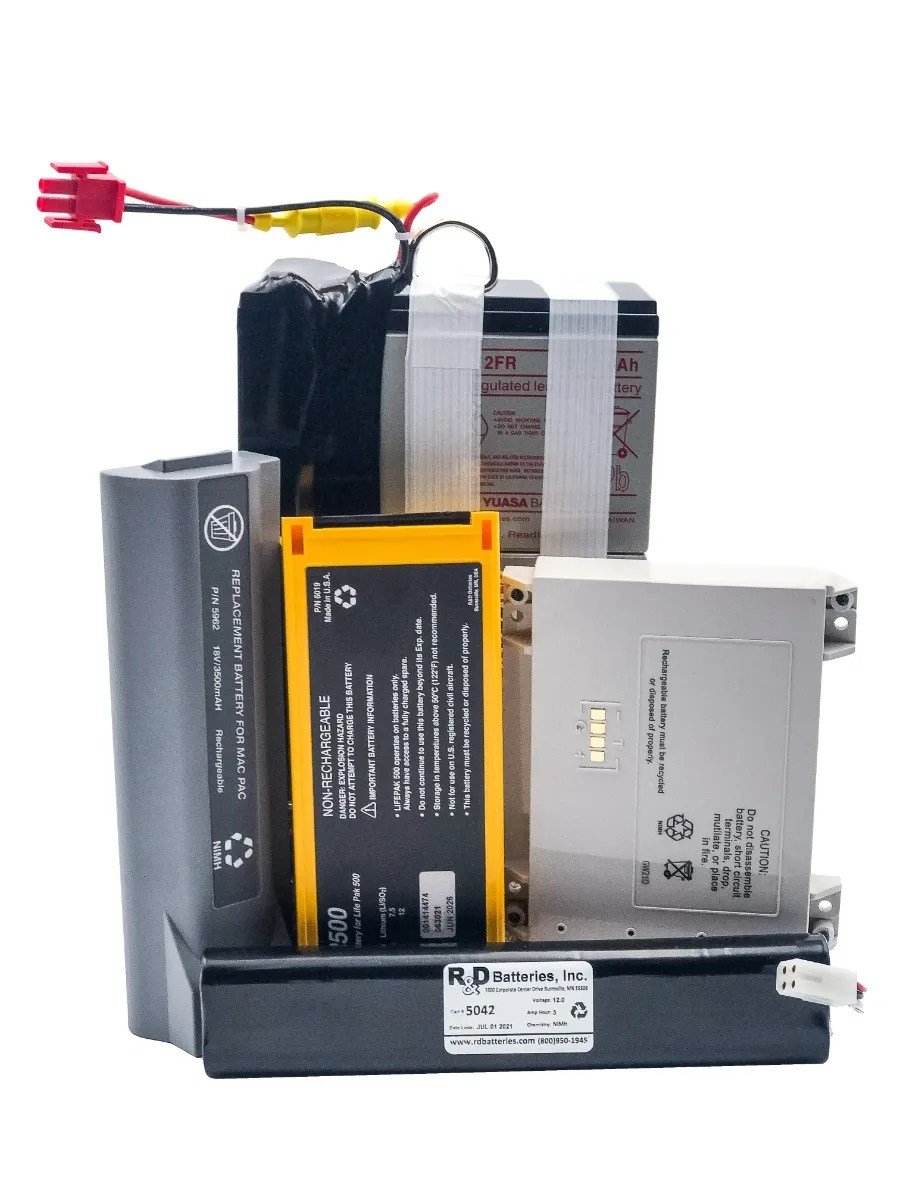
We've all been there: that crucial moment when your device dies, and you're scrambling for new batteries. In a world increasingly focused on sustainability and smart spending, the question of whether rechargeable batteries are truly worth the investment is more relevant than ever. The answer, as you'll discover, is a resounding yes for many, but it's essential to understand the nuances to make the best choices for your home and your wallet.
Consider this: the United States alone discards approximately 3 billion batteries every year, adding up to a staggering 180,000 tons of waste. These disposable power sources contain hazardous chemicals and contribute significantly to our overflowing landfills. It’s a habit we've become accustomed to, but a closer look reveals hidden costs—both financial and environmental. Before you reach for another pack of single-use batteries, let's explore why making the switch to rechargeable might be one of the smartest decisions you can make. If you're ready to dive deeper into how your battery choices impact the planet, Explore Environmental Impact & Sustainability.
Understanding Your Power Choices: Disposable vs. Rechargeable
Before we weigh the pros and cons, let's clarify what we're talking about when we discuss battery types.
Standard (Alkaline) Batteries: The One-Time Use Option
These are the familiar non-rechargeable batteries you find in sizes like AAA, AA, C, and D. Composed of chemicals such as zinc, manganese oxide, and potassium hydroxide, they are charged during manufacturing but are strictly not designed to hold a charge again. Attempting to recharge standard alkaline batteries can be dangerous, potentially causing thermal reactions, explosions, or chemical leaks. They are designed for a single life cycle, after which they are considered disposable.
Rechargeable Batteries: Powering a Smarter Future
As their name suggests, these batteries are engineered to be recharged multiple times. While older types used heavy metals like nickel, nickel-metal hydride (NiMH), and nickel-cadmium (NiCd), the landscape has evolved dramatically. Most modern rechargeable batteries are lithium-ion (LiOn), celebrated for being safe, long-lasting, and incredibly easy to charge. They may generate some heat during the charging process, but they represent a significant leap forward in battery technology. To understand the full spectrum of options available today, including a detailed look at their chemistry and best applications, learn about the Types of Rechargeable Batteries (NiMH.
Beyond the Price Tag: Real Value and Performance
When you compare batteries, the initial purchase price is only part of the story. The true worth becomes clear when you consider long-term costs, environmental impact, and performance.
The True Cost of Convenience
Initially, standard alkaline batteries appear less expensive. However, this convenience comes at a higher long-term cost due to frequent replacements. They have a relatively short lifespan, generate more packaging waste, and contribute significantly to landfills. Rechargeable batteries, while requiring a slightly higher upfront investment, last up to 5 years, generate less packaging and waste, and offer substantial savings over time. Ready to break down the numbers and see just how much you can save? It's time to Unlock long-term savings Learn cost-benefit analysis.
Power That Keeps Up: Performance & Lifespan
Rechargeable batteries aren't just about saving money and the planet; they often deliver superior performance. They can maintain a more consistent voltage throughout their discharge cycle, which is crucial for high-drain devices. Many modern rechargeable batteries can even last longer on a single charge than disposable batteries do in their entire lifetime. With a lifespan of 500 to 800 charge cycles, they offer excellent reliability and can even improve performance over time with proper care. For a deeper understanding of how these batteries perform and how their capacity translates to real-world usage, explore Performance, Lifespan & Capacity.
Choosing Wisely: When to Recharge, When to Stick with Disposable
The decision isn't always black and white. Matching the right battery type to your device's needs ensures both cost-effectiveness and optimal performance.
Devices Where Standard Batteries Still Make Sense
For low-drain products used occasionally or those consuming very minimal power over extended periods, standard alkaline batteries can still be a practical choice. Think smoke detectors, remote controls, wall clocks, radios, thermostats, emergency flashlights, and wireless keyboards or mice. For these devices, the initial investment in rechargeable batteries and a charger, plus the cost of electricity for recharging, means the payback period can easily exceed 10 years, making them less cost-effective.
Where Rechargeable Batteries Truly Shine
Rechargeable batteries are the undisputed champions for high-drain electronics that quickly consume a lot of power, or for devices where you find yourself replacing batteries every 30 to 60 days. Their reusability leads to significantly less environmental impact and considerable long-term cost savings, as they consistently pay for themselves over time. Prime examples include digital cameras, GPS receivers, wireless microphones, flash units, CD players, lighting (flashlights, lanterns), wireless gaming controllers, point-and-shoot cameras, and kids’ electronic toys that are constantly being used.
Making the Switch: Practical Tips for a Rechargeable Home
Transitioning to rechargeable batteries doesn't have to be an overhaul. Here’s a step-by-step approach to integrate them seamlessly into your life:
- Gradual Transition: Don't feel pressured to replace every battery in your home at once. Make a slow, measured transition.
- Initial Setup: For your first foray, consider purchasing rechargeable batteries bundled with a charger, or invest in a separate, quality charging unit.
- Replacement Strategy: As your existing standard batteries deplete, simply replace them with new rechargeable ones.
- Proper Disposal: Always dispose of all old batteries safely and responsibly. Once your rechargeable batteries can no longer hold a charge effectively, make sure to recycle them properly.
- Charger Investment: A good quality charger is vital. It will not only ensure efficient charging but also significantly extend the life of your rechargeable batteries, helping them reach their full potential of 500 to 800 charge cycles. For advice on selecting the right charger and optimizing its use, delve into Choosing & Using Battery Chargers.
- Charging Best Practices: To maximize battery life, promptly remove batteries from the charger once they are fully recharged, unless your charger comes with an automatic shut-off feature.
- Keep Spares: It’s always wise to maintain a few regular (non-rechargeable) batteries as spares. This way, you're never left without power if your rechargeable batteries run out and need time to recharge.
Your Sustainable Power Journey Starts Now
Rechargeable batteries represent more than just a power source; they are a commitment to smarter living, long-term savings, and a healthier planet. By making informed choices, you can reduce waste, save money, and ensure your devices are powered efficiently and reliably. The initial investment is quickly dwarfed by the benefits, proving that rechargeable batteries are, indeed, worth it for your devices, your wallet, and our shared future.